If you’re running an ecommerce brand and your Meta Ads haven’t been pulling their weight lately, you’re not alone. Ad costs on Facebook and Instagram have gone up, iOS privacy changes broke a lot of tracking, and what worked in 2022 barely moves the needle in 2026. That’s usually the point where founders start looking for a Meta Ads agency instead of trying to fix things in-house.
This guide walks through what a good Meta Ads agency actually does for ecommerce and D2C brands, how to tell if you need one, what to look for before signing anywhere, and the mistakes that quietly drain ad budgets.
Why Meta Ads Still Matter for Ecommerce in 2026
Meta — meaning Facebook and Instagram together — is still where most ecommerce brands get their fastest, most scalable growth. Between Reels, Stories, feed placements, and Advantage+ shopping campaigns, Meta gives brands a way to reach people who haven’t searched for their product yet but are exactly the kind of buyer who would.
Google Ads catches people who already know what they want. Meta creates that want in the first place. For a new D2C brand launching a product, or an established brand trying to scale past its existing customer base, that discovery layer is hard to replace.
The catch is that Meta’s algorithm and auction have both gotten more complex. Running a few boosted posts or a single conversion campaign doesn’t cut it anymore — brands that win on Meta today are running structured testing, layered creative strategy, and tight ROAS tracking, which is exactly the gap a specialised agency fills.
What a Meta Ads Agency Actually Does
A proper agency isn’t just boosting posts. Here’s what’s usually happening behind a well-run Facebook and Instagram Ads account:
- Account structure & campaign setup — building funnels around Advantage+ shopping, prospecting, and retargeting instead of one flat campaign doing everything.
- Audience & creative testing — running multiple ad angles, hooks, and formats at once to find what actually converts, then scaling the winners.
- Creative production — UGC-style videos, static ads, and carousels built specifically for how people scroll Instagram and Facebook. Some agencies now use AI video creationto produce more ad variations without ballooning production costs.
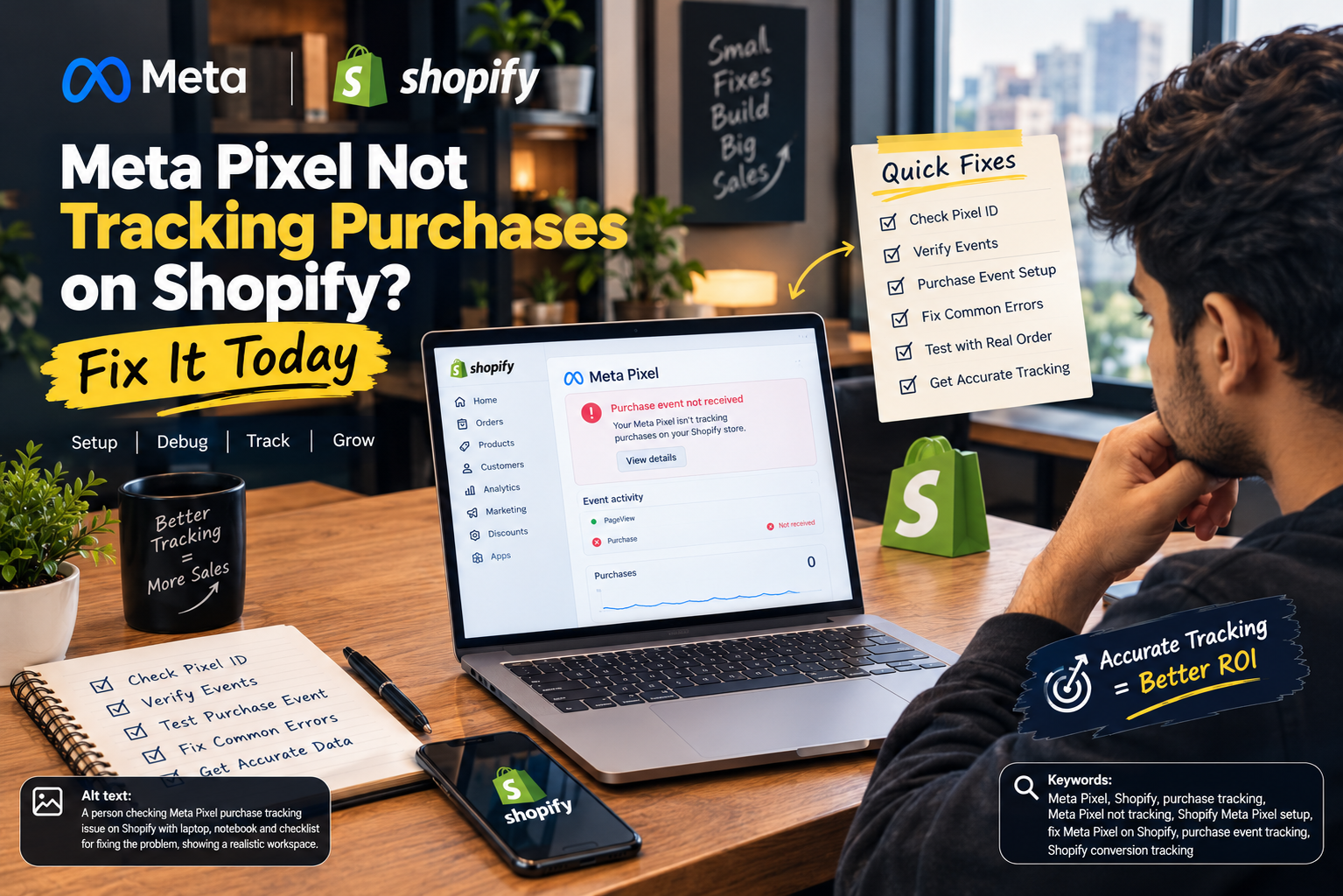
- Pixel & conversion tracking — setting up Conversions API and server-side tracking so results aren’t lost to iOS privacy restrictions.
- Budget & bid management — shifting spend toward what’s working daily or weekly instead of a set-and-forget approach.
- Reporting — clear numbers on spend, ROAS, CAC, and revenue, so you know exactly what the ad spend is doing for the business.
Signs Your Ecommerce Brand Needs a Meta Ads Agency
Not every brand needs to outsource immediately. But a few patterns usually mean it’s time:
- Your website itself is slowing down conversions — sometimes the fix isn’t the ads at all, it’s outdated website development.
How to Choose the Right Meta Ads Agency
1. Ask for ecommerce-specific results, not generic case studies
Running ads for a SaaS company or a local business is a different game from running ads for a D2C ecommerce brand. Ask specifically for ROAS, CAC, and revenue numbers from ecommerce clients, ideally in a similar price range or category to yours.
2. Check how they think about creative
On Meta, creative is the single biggest lever for performance — bigger than targeting in most cases. An agency that treats creative as an afterthought will struggle to keep your ROAS stable long-term.
3. Look for a full-funnel approach
Good agencies don’t just run prospecting ads and hope. They build out retargeting, abandoned cart flows, and post-purchase upsell campaigns too, so every part of the funnel is covered instead of just the top. Many also layer in social media marketing to keep organic engagement feeding the paid funnel.
4. Ask how they handle tracking post-iOS14
If an agency isn’t talking about Conversions API, server-side tracking, or first-party data, that’s a red flag. Tracking accuracy directly affects how well Meta’s algorithm can optimise your campaigns.
5. Understand their reporting cadence
You should get regular, plain-language updates on what’s working, what’s not, and what’s changing — not a dashboard link you’re expected to decode yourself.
Common Mistakes Ecommerce Brands Make with Meta Ads
- Turning campaigns off too early — Meta’s algorithm needs time (and enough conversions) to optimise. Killing a campaign after two days rarely gives it a fair shot.
- Ignoring creative fatigue — running the same ad for months straight quietly kills ROAS over time.
- Overlapping audiences — too many campaigns targeting the same people, which makes Meta compete against itself in the auction.
- No retargeting strategy — all the budget goes to cold traffic while warm, ready-to-buy visitors get ignored.
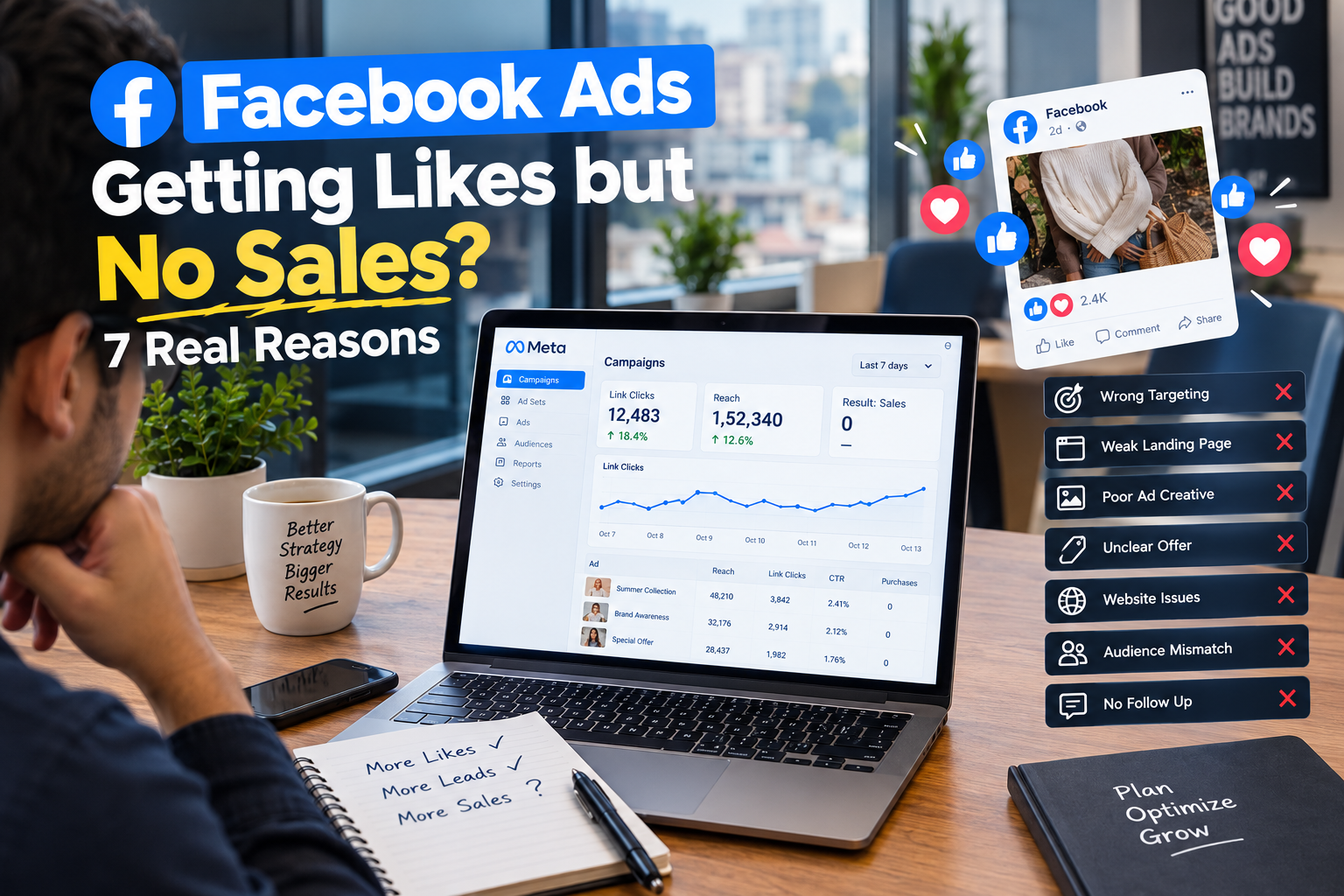
- Chasing vanity metrics — optimising for clicks or reach instead of actual revenue and profit.
- Running Meta in isolation — brands that pair Meta with TikTok Adsor JioHotstar Ads for broader reach often see lower blended CAC than brands relying on one platform alone.
What Results Should You Expect?
Every account is different, but most ecommerce brands working with a competent Meta Ads agency should expect a testing phase in the first 2-3 weeks, followed by measurable ROAS improvement from month two as the algorithm gets enough data to optimise properly. Brands with clean tracking and strong creative pipelines typically see the most stable, compounding results over a 3-6 month window.
What Working with The Brand Hawk Looks Like
At The Brand Hawk, Meta Ads for ecommerce and D2C brands is the core of what we do — not a side offering bundled into a generic digital marketing package. Every account gets a dedicated funnel structure, ongoing creative testing, and tracking set up the right way so the numbers you see are numbers you can actually trust.
Alongside Meta Ads, we also run Google Ads, TikTok Ads, LinkedIn Ads, AI video creative, and JioHotstar/OTT advertising — which matters if you’re planning to scale beyond one platform. A lot of D2C brands that start with just Meta eventually want a partner who can plug in Google or TikTok without having to onboard a whole new agency and start over.
If your Meta Ads have plateaued, or you’re launching a new ecommerce brand and want to get the setup right from day one, you can read more about our approach on the About Us page, or explore the full service list at thebrandhawk.com.
Frequently Asked Questions
How much does a Meta Ads agency cost for ecommerce brands?
Most agencies charge either a flat monthly retainer or a percentage of ad spend, typically somewhere between 10-20% of spend once you factor in management, creative, and reporting. Retainers usually make more sense once a brand is spending a meaningful amount per month, since the fee stops scaling linearly with spend.
How long before I see results from Meta Ads?
Expect the first 2-3 weeks to be about testing — finding the audiences and creatives that work. Meaningful, stable ROAS improvements usually show up from month two onward, once the account has enough data to optimise properly.
Can a Meta Ads agency work alongside my in-house team?
Yes, this is common. Agencies typically run strategy, creative testing, and campaign management, while the in-house team handles brand direction, product, and approvals. It works best when both sides have a clear, regular reporting rhythm.
Is Meta Ads still worth it with rising CPMs?
Yes, but the strategy has to be tighter than it used to be. Rising CPMs mean weaker creative and loose targeting get punished faster. Brands with strong creative testing and clean tracking are still seeing healthy ROAS — it’s the brands running on autopilot that feel the CPM increase the most.
Meta Ads vs Google Ads — which should an ecommerce brand start with?
It depends on the brand. If you already have search demand for your product, Google Ads can be the faster win. If you’re building a newer or more visually driven brand where people don’t yet know they want the product, Meta Ads usually does more of the heavy lifting. Most scaled ecommerce brands eventually run both together.